The Stigma with Celiac Disease
The Stigma with Celiac Disease
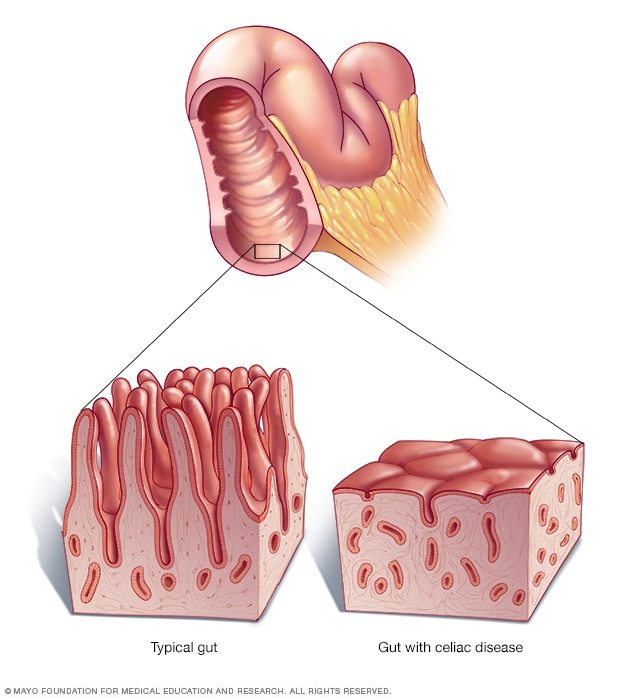
Now, a person may be asking " why is it such a big deal to say I have celiac disease when I really don't?" The reason for this is because if someone does do this and the restaurant finds out it wasn't such a big deal, then the wait staff may not take as many precautions with the person's meal or not really believe them and get snarky with the restaurant goer. This is a bigger problem because if someone with celiac disease even gets the tiniest bit of gluten they can get severely sick and not be able to function properly, or even get hospitalized.
A first hand experience of this is when a lady went into a restaurant to order food and the waiter said in a rude tone " Do you actually have celiac disease?" This is because the waiter didn't believe the lady because of past customers who would come in, and say they have it and they actually don't. This is why people need a better understanding of what this disease is, because if they don't and people keep going this way waiters won't ask and they will just serve contaminated food to a celiac and get them extremely sick.
People would not also think about this, but schools don't all the time follow or believe the student that they have celiac which could lead to bigger problems for the student and the school. A perfect example of this happening is from an article called " Student files discrimination lawsuit against University of Maryland, alleging gluten exposure." In this article a student at the University of Maryland sued the college for repeatedly being given gluten contaminated food when the staff were told numerous times that the student had a severe gluten allergy. Even one time when this happened, the student ended up in the hospital. It was also said that the staff didn't know that some of the stuff contained gluten and that they do not take food allergies seriously at their campus. This is true and scary for a lot of students nationwide not just at one campus, because if the kitchen staff isn't trained properly on how to tell what had gluten in it, that could lead to major problems with the student. Also, of they don't take the allergies seriously it could lead to more lawsuits and issues for the colleges.

When thinking about celiac disease people mainly view it in the wrong way most of the time or even ask the most absurd questions because people truly don't know what it is because of how rare a disease it is. People may think that the disease is not as serious or strict, but it is because of the symptoms you get if you eat it and long term effects if a celiac doesn't stick to their rigorous diet. The person with celiac disease may end up getting different forms of cancer. Educating people more on what celiac disease is one way to raise attention to it. Another thing people can do is just talk and ask questions to the person with celiac so that they can be more understanding and know what is truly going on. Although this will not truly rule out the stigma of a person living with celiac disease, it is a good place to start.
It may not seem like it since many people don't have it and know what it is, but celiac disease is out there and more people living with it than a person thinks and struggle with it everyday of their lives. People living with celiac disease is harder for them by not being able to participate in everything they want to do, but educating people on what celiac disease is and what to look for may make it easier for the person living with it and be able to participate in more stuff.
The reason why I would be the best person to talk and write about this is because I actually have celiac disease. I got diagnosed with it in November of 2012, so I have had it for almost 12 years of my life. To see the progression of where gluten free food started to now is amazing.


Comments
Post a Comment